
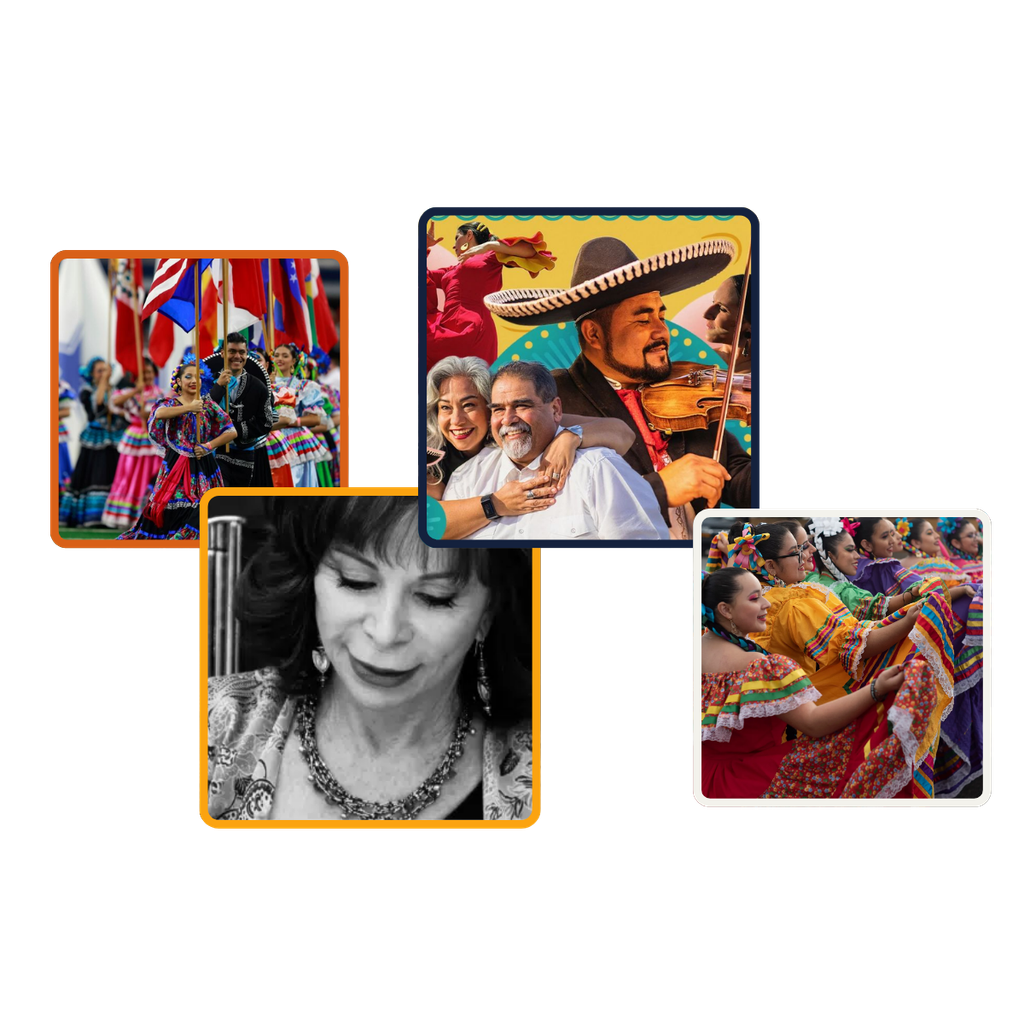
Hispanic Heritage Month, observed from September 15 through October 15, recognizes the histories, cultures, and contributions of Hispanic and Latino communities. While the month provides an opportunity to celebrate these contributions, it is also a chance to look at how changing demographics are shaping our workplaces and communities.
Hispanic and Latino are related but distinct terms. Hispanic generally refers to people with ties to Spanish-speaking countries or cultures, while Latino and Latina generally refer to people with roots in Latin America. Some people use Latinx or Latine as gender-inclusive alternatives. These terms aren’t interchangeable for everyone, and individual preferences vary.
The U.S. Census Bureau projects continued growth in the Hispanic population over the coming decades. This includes people with roots in Mexico, Puerto Rico, Cuba, the Dominican Republic, Central and South America, and other parts of the world.
So, what does this mean for the workforce?
A Growing Hispanic Workforce
Changing demographics are already reflected in the workforce.
The number of Hispanics employed in the United States grew from 17.4 million in 2003 to 30.3 million in 2023, an increase of about 75 percent (U.S. Bureau of Labor Statistics). At the same time, Hispanic workers remain underrepresented in leadership. Today, Hispanics hold less than 5% of executive and managerial positions in Corporate America (National Hispanic Corporate Council, 2023).
That gap raises an important question: As the workforce changes, are our approaches to recruiting, developing, and retaining talent changing with it?
How Organizations Are Responding to a Changing Workforce
For employers, this means taking a closer look at how and where they recruit, who they are reaching, and what happens after someone is hired.

A recent NPR article looked at how colleges are responding to the growing number of Hispanic students. Hispanic students now make up nearly one-third of students in grades K through 12, while the number of Hispanic high school graduates is projected to grow even as the number of graduates from other racial and ethnic groups declines. Colleges that once could meet their enrollment goals without actively engaging this population are now having to rethink their approach (NPR).
The same idea applies beyond higher education. The people entering colleges and universities today will eventually become part of the workforce, making the ways organizations reach and support Hispanic talent worth examining now.
There is no one-size-fits-all approach to reaching a changing workforce. Employers can start by looking at:
- Where they recruit: Are they reaching communities and networks beyond their usual recruiting channels?
- How they recruit: Are application and hiring processes creating unnecessary barriers for potential candidates?
- Who they reach: Are current recruitment practices reaching the communities and talent organizations hope to attract?
- What happens after hiring: Are there opportunities for employees to develop, advance, and build a future within the organization?
Language can also be an important consideration. Spanish is the second most spoken language in the United States, and for some employers, thinking about how language is used throughout the recruitment process may help remove barriers for potential applicants.
A recent Forbes article on the manufacturing industry’s ongoing talent shortage offers one example. The article points to the ways employers can overlook Hispanic workers when they rely on the same job postings and recruiting platforms without considering how they are reaching and supporting potential candidates (Forbes Human Resources Council, 2026).
The article also discusses concerns some organizations have about conducting outreach to specific communities, particularly as companies have pulled back from conversations around DEI. It notes that outreach intended to expand the pool of potential applicants can be lawful, while employers remain prohibited from discriminating based on national origin (Forbes Human Resources Council, 2026; U.S. Equal Employment Opportunity Commission).
Recruitment Is Only the Beginning
Getting people through the door is one thing. Creating a workplace where employees can grow, advance, and see a future for themselves is another.
For employers thinking about the future of their workforce, recruitment is only part of the conversation. It is also worth looking at what happens after someone is hired.
Are there opportunities for development and advancement? Do employees have access to the support they need? Are workplace practices keeping pace with the people the organization hopes to attract and retain?
These questions matter because recruiting new talent without thinking about retention, development, and advancement only addresses part of the challenge.
Looking Ahead
The workforce is changing, and organizations have an opportunity to consider what those changes mean for how they recruit, develop, and retain talent.
Attracting new employees is only one part of the equation. Workplace culture, access to development, and opportunities for advancement also shape whether people can build a future within an organization.
The question is whether our organizations are adapting to the workforce of today and preparing for the workforce of tomorrow.
 In a World That Never Stops, Choose Rest